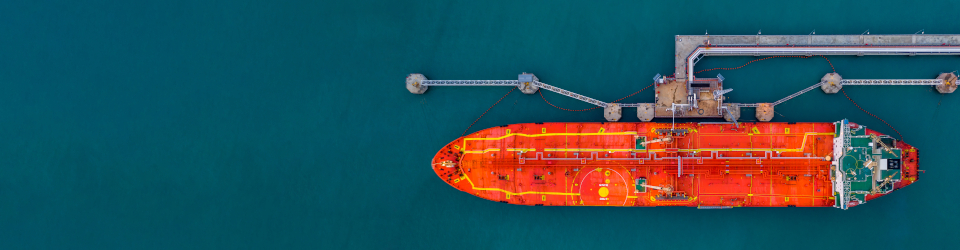
From the start of the conflict on February 28, 2026, flows through the Strait of Hormuz have been restricted by both Iran and the US. The US has increasingly imposed sanctions on Iranian vessels and its growing shadow fleet.
During the conflict, as security concerns reduced mainstream commercial vessels, Lloyd’s List Intelligence reported an increase in more risk-tolerant shadow fleet vessels. On July 29, 2026 the US Department of the Treasury Office of Foreign Assets Control took action against multiple shadow fleet vessels transporting crude oil and petroleum products (Treasury Disrupts Iranian Regime’s Strait of Hormuz Extortion Network).
Iran has long evaded sanctions. Export statistics for 2025 reported by Iran showed much higher volumes than visible from trading partner import statistics, largely because a great deal of Iranian material is transshipped through other Middle East countries, especially UAE, some of which operate vessels as part of Iran’s shadow fleet. (International Trader Publications.)
Based on June YTD import statistics reported by countries representing at least 80% of global trade volume, ITP projects a steep decline in exports from the Middle East:

From International Trader Publications’ World Trade Analyses on anhydrous ammonia, MEG, HDPE, LDPE/LLDPE and methanol, continuously updated analyses based on latest statistics from all reporting countries.